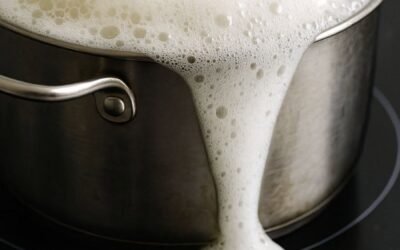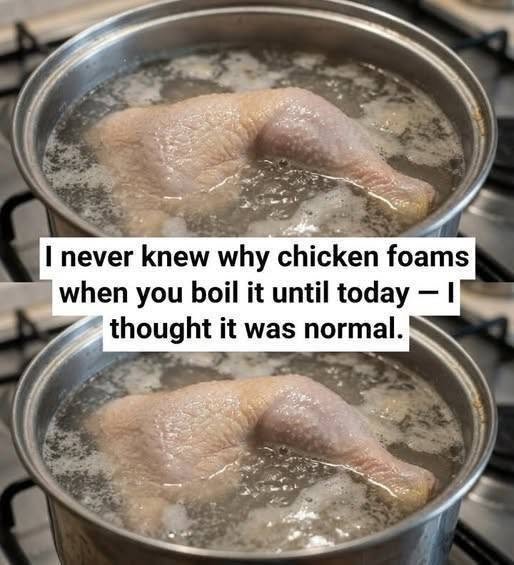
The first time I boiled chicken, a layer of white foam bubbling to the surface sent me into a panic. I stared at the pot, convinced the meat was spoiled or tainted with chemicals, and nearly tossed the entire batch. If you have ever experienced this same kitchen alarm, take a deep breath. You are not alone, and the good news is that this frothy layer is a completely normal part of the cooking process.
The Science Behind the Bubbles
The white foam that appears when simmering or boiling chicken is primarily composed of denatured proteins, specifically a type called albumin. As the meat heats up, these proteins unwind and are forced to the surface by the movement of the water. Along with the proteins, trace amounts of natural fats and minor impurities from the meat and bones mix into the bubbles. It is not a chemical reaction or a sign of contamination; it is simply basic culinary science at work.
Safety First: Foam Versus Spoilage
The most pressing question for most home cooks is whether this foam is safe to consume. The answer is a resounding yes. Because the foam consists entirely of natural meat components reacting to heat, its presence does not indicate that the chicken is old, spoiled, or treated with unusual additives. True signs of spoilage are entirely different. You should discard chicken immediately if it emits a sour or ammonia-like odor, feels unusually slimy or sticky to the touch, or displays a gray or green discoloration. White foam, on its own, is never a warning sign of spoilage.
Factors That Influence Foam Production
You may notice that some batches of chicken produce significantly more foam than others. Several factors contribute to this variation. Frozen chicken tends to release more water and proteins during the cooking process, leading to a heavier foam. Cuts that are bone-in or skin-on will also generate more foam than boneless, skinless breasts because there is more connective tissue and material breaking down. Additionally, leaner cuts with high protein concentrations, like chicken breasts, are more prone to foaming. Finally, the cooking method plays a major role. A rapid, rolling boil will agitate the proteins much more aggressively than a gentle simmer, resulting in a thicker layer of foam.
Culinary Impact: To Skim or Not to Skim
see continuation on next page
For Complete Cooking STEPS Please Head On Over To Next Page Or Open button (>)