The Hidden Risks of Raw Vegetables and How to Safely Enjoy Your Greens
I was genuinely shocked to discover that the very vegetables we rely on for a healthy diet can sometimes harbor hidden parasitic risks. When I first learned about this, I immediately began researching how to protect myself and my family. What I found completely changed my approach to food preparation, turning a simple kitchen chore into a vital health practice.
The Most Vulnerable Produce
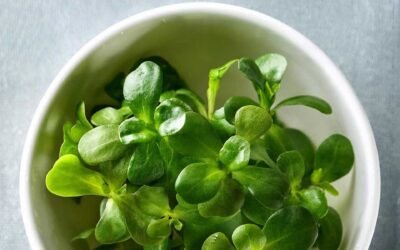
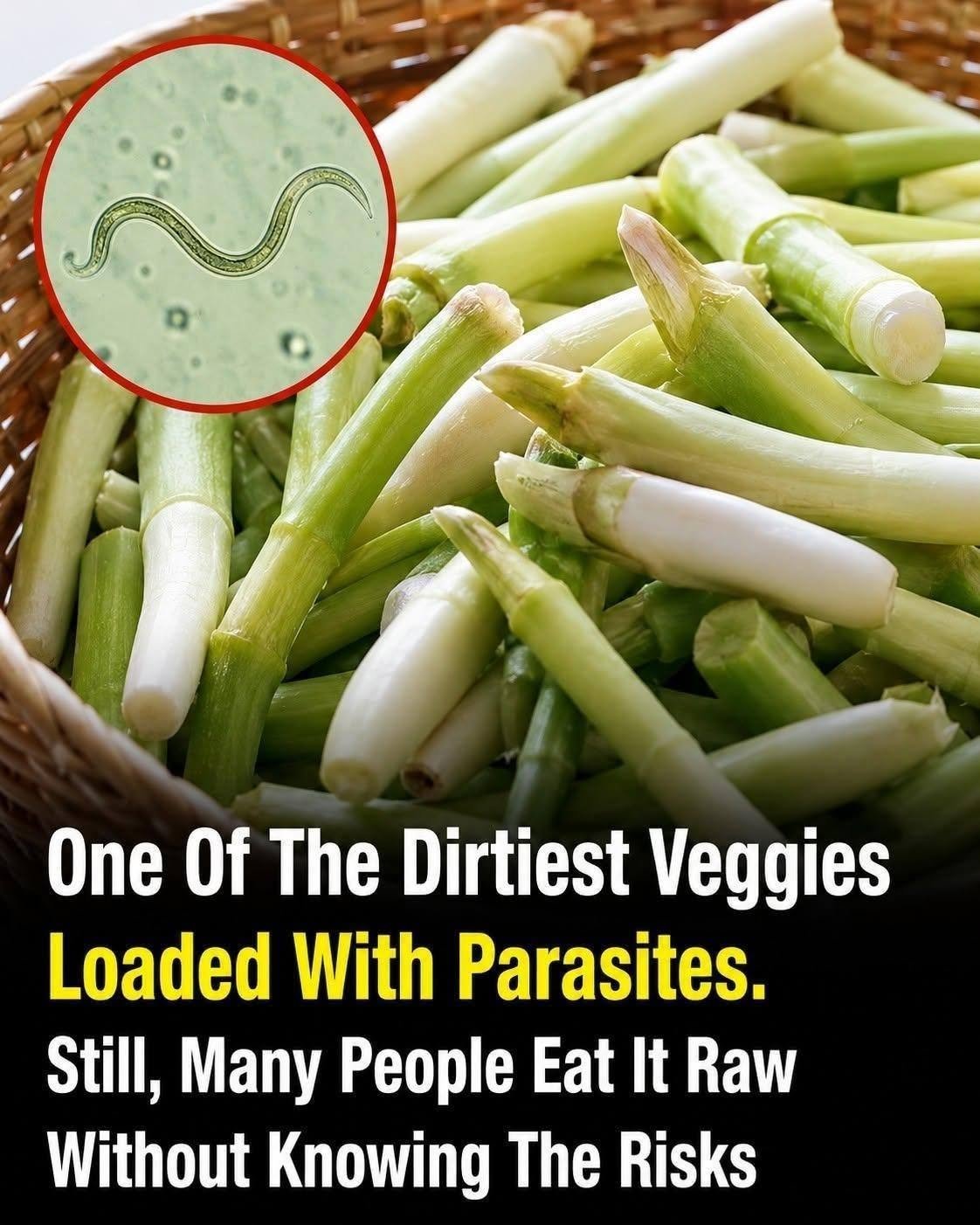
Recent research highlights that certain types of produce are far more susceptible to parasitic contamination. The most vulnerable categories include leafy greens such as lettuce, spinach, and arugula, as well as fresh herbs like mint, cilantro, and parsley. Sprouts, including bean and alfalfa varieties, and green onions or scallions also top the list.
The primary reason for this vulnerability is agricultural. These crops grow very close to the ground, exposing them to soil and water that may contain parasites. Furthermore, because they are typically consumed raw, there is no cooking process to eliminate the pathogens before they reach your plate.
Recognizing the Warning Signs
Ingesting parasitic contaminants can lead to a variety of unsettling health issues. The most immediate symptoms are gastrointestinal, often presenting as diarrhea, nausea, and vomiting. Many individuals also experience severe abdominal cramping and pain.
Beyond the digestive tract, these infections can cause profound fatigue, unexplained weight loss, and malnutrition due to the parasites interfering with nutrient absorption. Over time, this internal battle can significantly weaken the immune system, leaving the body highly susceptible to other infections.
The Ultimate Guide to Washing Produce
To safely enjoy your greens, you must adopt a rigorous washing routine. The foundation of this process is washing all produce under cool, running water. For firm produce like cucumbers or melons, use a clean produce brush to scrub the surface thoroughly.
It is absolutely critical to never use soap or detergent, as the porous nature of vegetables can absorb these chemicals. Instead, you can enhance your washing routine by using a simple solution of water and white vinegar, lemon juice, or a pinch of salt, which can help dislodge hidden contaminants. When possible, peeling the outer layer of the vegetable provides an extra layer of protection by physically removing the surface where parasites reside.
Comprehensive Kitchen Safety
Proper washing is only the first line of defense. Preventing foodborne illnesses requires a holistic approach to kitchen hygiene. Always wash your hands thoroughly before handling any food. Ensure that your cutting boards and countertops are sanitized after each use, and strictly use separate cutting boards for raw meat and fresh produce to avoid cross-contamination.
Store your produce promptly in the refrigerator and consume it before it spoils. Additionally, be mindful of other food safety practices, such as cooking meat to the proper internal temperature, avoiding unpasteurized dairy products, and never leaving perishable foods sitting out at room temperature. Buying from reputable sources and choosing organic options when possible can also reduce your overall exposure to agricultural contaminants.
Cooking as a Defense Mechanism
see continuation on next page
For Complete Cooking STEPS Please Head On Over To Next Page Or Open button (>)