Gardening is an art passed down through generations, with each gardener adding their own touch to the tradition. Among the many tips and tricks shared over the years, some stand out as timeless classics, often attributed to the wisdom of our grandmothers. These methods, rooted in simplicity and practicality, have been used to nurture plants and ensure lush, thriving gardens.
In this article, we explore ten garden tricks that have stood the test of time. From using common household items to natural remedies, these tips are not only effective but also environmentally friendly. Whether you’re a seasoned gardener or a novice, these tricks can help you achieve a flourishing garden with minimal effort.
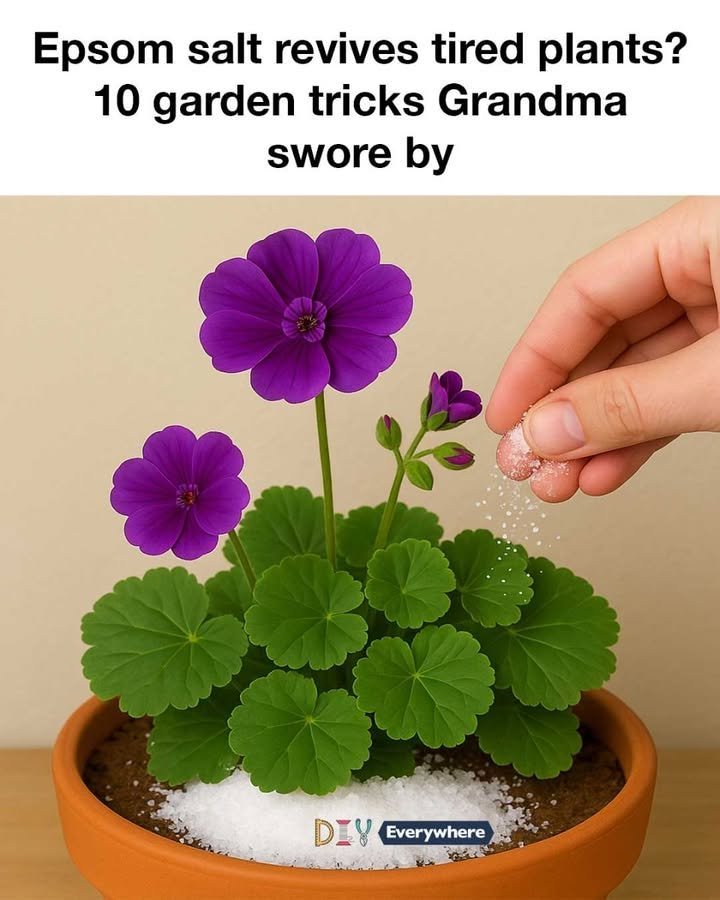
1. The Magic of Epsom Salt: A Natural Plant Reviver
Epsom salt, chemically known as magnesium sulfate, is a gardener’s secret weapon. It provides essential nutrients that help plants grow stronger and healthier. Magnesium is crucial for photosynthesis, and sulfur aids in the production of plant proteins. To revive tired plants, dissolve 1 tablespoon of Epsom salt in a gallon of water and use it to water your plants once a month. This simple solution can lead to greener leaves and more vibrant blooms.
For roses, tomatoes, and peppers, which are particularly fond of magnesium, sprinkle a tablespoon of Epsom salt around the base of the plant every couple of weeks. This not only enhances growth but also improves the overall health of the plant, making it more resistant to pests and diseases.
2. Eggshells: Calcium Boost for Your Soil
Eggshells are a fantastic source of calcium, an essential nutrient that helps strengthen plant cell walls. Before using them, rinse the shells and allow them to dry. Crush them into small pieces or grind them into a powder for quicker absorption. Sprinkle the crushed shells around the base of your plants, or mix them into the soil when planting. This is particularly beneficial for tomatoes, peppers, and eggplants, which can suffer from blossom end rot due to calcium deficiency.
Eggshells can also be used to deter pests such as slugs and snails. The sharp edges of the crushed shells act as a barrier, preventing these pests from reaching your plants. Simply scatter the shells around the plants you wish to protect.
3. Coffee Grounds: A Nitrogen-Rich Fertilizer
Used coffee grounds are a rich source of nitrogen, which is vital for plant growth. They can be added directly to the soil or composted to enrich the nutrient content. To use coffee grounds as a fertilizer, sprinkle them around the base of your plants or mix them into the top layer of soil. This not only provides nitrogen but also improves soil structure and drainage.
Coffee grounds can also help repel pests like slugs and snails due to their abrasive texture and caffeine content. Additionally, they can attract beneficial earthworms, which aerate the soil and enhance its fertility. Just be mindful not to overuse coffee grounds, as too much can lead to soil acidity.
4. Banana Peels: Potassium Powerhouse for Plants
Banana peels are an excellent source of potassium, a nutrient that promotes strong root development and enhances flowering and fruiting. To use banana peels in your garden, chop them into small pieces and bury them in the soil near the roots of your plants. As they decompose, they release potassium and other nutrients into the soil.
Alternatively, you can make a banana peel tea by soaking the peels in water for a few days. Use this nutrient-rich liquid to water your plants. This method is particularly beneficial for flowering plants and fruit trees, which require higher potassium levels for optimal growth.
5. Vinegar: Weed Killer and Soil Acidifier
Vinegar is a natural weed killer that can help maintain a tidy garden without the use of harsh chemicals. Its acetic acid content makes it effective at killing weeds. To use vinegar as a weed killer, fill a spray bottle with undiluted white vinegar and apply it directly to the leaves of unwanted plants. Be careful to avoid spraying desirable plants, as vinegar can harm them as well.
In addition to weed control, vinegar can be used to acidify the soil for acid-loving plants like blueberries, azaleas, and rhododendrons. Mix 1 cup of vinegar with a gallon of water and use it to water these plants once a month. This helps maintain the acidic soil conditions they thrive in.
6. Baking Soda: Fungus Fighter and pH Balancer
see continuation on next page
For Complete Cooking STEPS Please Head On Over To Next Page Or Open button (>)