In the quest for a beautiful backyard, many homeowners turn to chemical solutions to tackle common gardening problems. However, these can be harmful to the environment and potentially dangerous to pets and children. Fortunately, there are effective alternatives that you can find right in your pantry. By using everyday household items, you can maintain a lush, healthy garden without the use of harsh chemicals.
From vinegar to olive oil, these pantry staples offer a range of solutions for common backyard issues. Whether you’re dealing with weeds, pests, or soil enrichment, these natural remedies are not only cost-effective but also environmentally friendly. Let’s explore ten ways you can use pantry items to enhance your backyard and garden.
1. Vinegar: The Natural Weed Killer
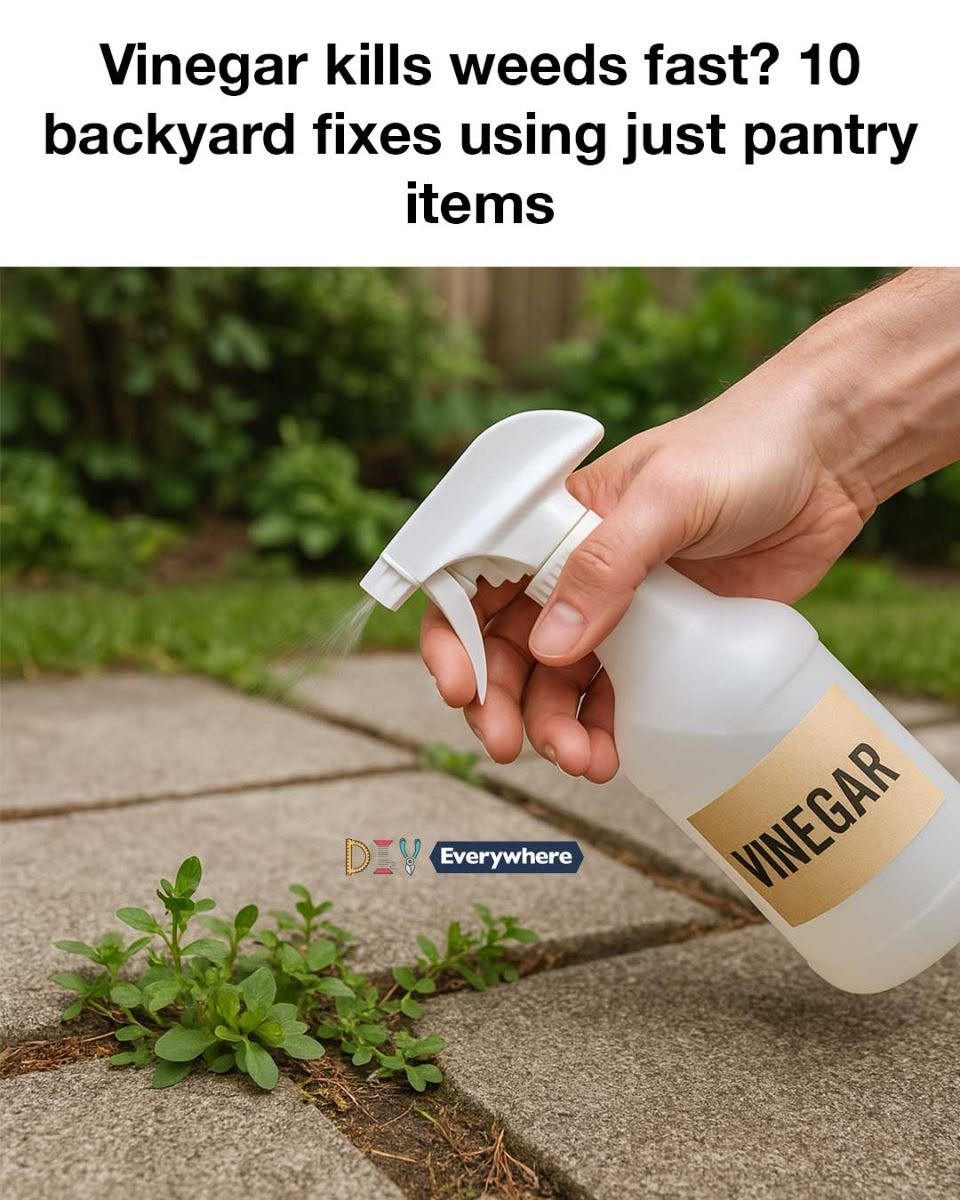
Vinegar is a powerful and natural weed killer due to its high acidity. The acetic acid in vinegar draws moisture out of weeds, causing them to dry up and die. For best results, use white vinegar with at least 5% acetic acid concentration. Simply fill a spray bottle with undiluted vinegar and apply it directly to the leaves of the weeds on a sunny day. The heat from the sun will enhance the vinegar’s effectiveness, ensuring the weeds are thoroughly dried out.
It’s important to note that vinegar is non-selective, meaning it can harm any plant it comes into contact with. Therefore, exercise caution when applying it near desirable plants. For more stubborn weeds, you can increase the vinegar’s potency by adding a tablespoon of dish soap, which helps the vinegar adhere to the leaves.
2. Baking Soda for Ant Control
Baking soda is a simple yet effective solution for controlling ants in your backyard. The abrasive nature of baking soda disrupts the ants’ exoskeletons, while its alkaline properties interfere with their digestive systems. To use baking soda as an ant deterrent, mix equal parts of baking soda and powdered sugar. The sugar attracts the ants, while the baking soda eliminates them.
Sprinkle the mixture around ant trails and near entry points to your home. Reapply after rain or watering to maintain its effectiveness. This method is safe for pets and children, making it an ideal choice for family-friendly pest control.
3. Salt as a Weed Barrier
Salt is another pantry item that can be used to prevent weeds from taking over your garden. It works by dehydrating plants and preventing them from absorbing essential nutrients. To create a salt barrier, dissolve 1 cup of salt in 2 cups of hot water. Pour the solution directly onto the soil where you want to prevent weed growth.
Be cautious when using salt, as it can also harm desirable plants and alter soil composition. It’s best used in areas where you don’t plan to grow anything, such as driveways or walkways. Always rinse the area with water after application to minimize the impact on surrounding soil.
4. Coffee Grounds to Enrich Soil
Used coffee grounds are a fantastic way to enrich your garden soil. They are rich in nitrogen, which is essential for plant growth. Simply sprinkle the coffee grounds around the base of your plants or mix them into your compost pile. This will help improve soil structure and increase nutrient availability.
Coffee grounds also attract earthworms, which are beneficial for soil aeration and nutrient cycling. Additionally, they can deter pests like slugs and snails, making them a versatile addition to your gardening routine. Just be sure not to overdo it, as too much coffee can increase soil acidity.
5. Dish Soap for Aphid Removal
Aphids can wreak havoc on your plants, but dish soap offers a simple solution. The soap breaks down the protective outer layer of aphids, causing them to dehydrate and die. To make an aphid spray, mix 1 tablespoon of dish soap with 1 quart of water in a spray bottle. Apply the solution directly to the affected plants, ensuring thorough coverage.
Repeat the application every few days until the aphids are gone. This method is safe for most plants, but it’s always a good idea to test a small area first to ensure there’s no adverse reaction. Avoid using dish soap with added fragrances or dyes, as these can harm plants.
6. Cornmeal to Prevent Weeds
see continuation on next page
For Complete Cooking STEPS Please Head On Over To Next Page Or Open button (>)