5. Telltale Signs Your Flour Is Infested (Beyond Just Seeing Bugs)
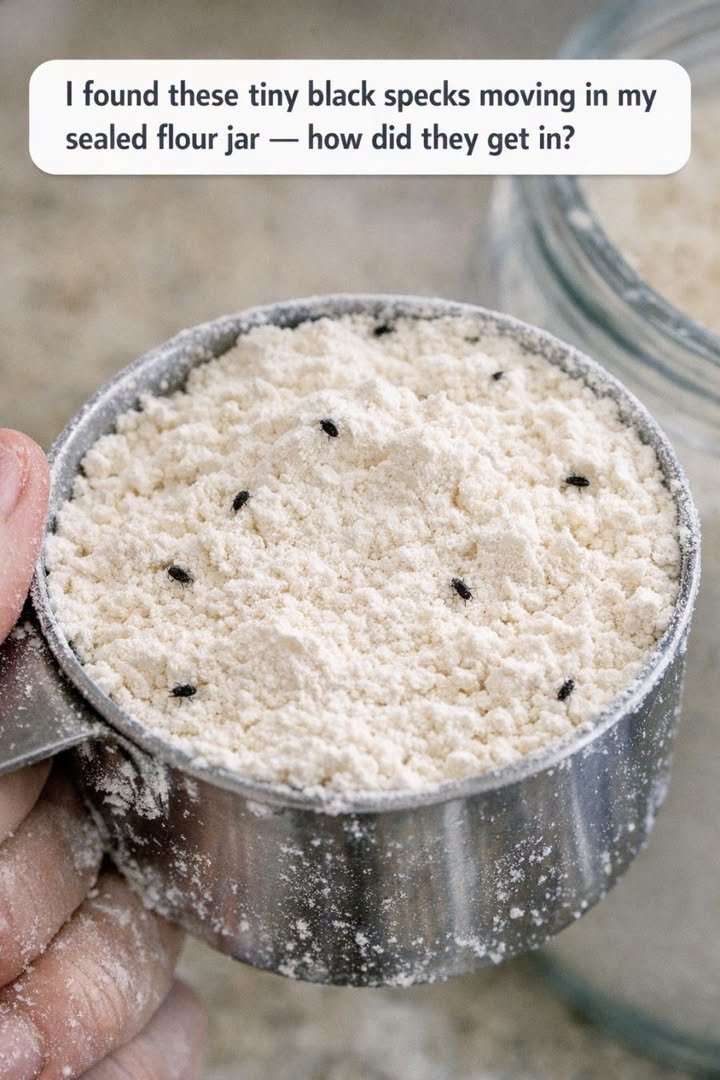
Beyond noticing visible insects, there are several other signs that your flour may be infested with weevils. You might detect an unusual odor, as infested flour can develop a musty or sour smell. The texture of the flour may also change, becoming clumpy or containing small tunnels where larvae have been feeding.
Another indicator is the presence of fine webbing, which can be a sign of an advanced infestation. This webbing is produced by the larvae as they move through the flour. If you notice any of these signs, it’s a good idea to thoroughly inspect your pantry for other affected items and take immediate action.
6. Is It Dangerous If You’ve Already Eaten Some?
Consuming flour that contains weevils or their larvae is generally not harmful to humans. These insects do not carry diseases that affect humans, and ingesting a small number of them is unlikely to cause any health issues. However, it is understandably unappetizing and may affect the taste and quality of your food.
If you’ve consumed infested flour, there’s no need for panic. However, it’s advisable to dispose of any visibly contaminated products to prevent further spread and to maintain the quality of your meals.
7. Exactly What To Do With Contaminated Flour
If you discover that your flour is infested with weevils, the best course of action is to dispose of it immediately. Seal the contaminated flour in a bag to prevent weevils from spreading to other pantry items, and dispose of it outside your home.
After removing the contaminated flour, clean the storage container thoroughly with hot, soapy water to eliminate any remaining eggs or larvae. It’s also beneficial to inspect nearby pantry items to ensure they have not been affected, as weevils can easily spread to other food products.
8. How To Deep-Clean Your Pantry After an Infestation
To effectively clean your pantry after an infestation, remove all items and inspect them for signs of weevils. Vacuum shelves and corners to remove any hidden eggs or insects. Pay special attention to cracks and crevices where eggs might be lurking.
After vacuuming, use a mixture of water and vinegar or a mild bleach solution to wipe down all surfaces. This will help sanitize the area and deter future infestations. Allow the pantry to dry completely before returning food items, ensuring all containers are clean and sealed tightly.
9. Smart Shopping Habits That Stop Weevils at the Store
Preventing weevils starts with smart shopping habits. Inspect packages of flour and other grains for tears or damage before purchasing. Opt for brands known for rigorous quality control and packaging integrity.
Consider buying smaller quantities of flour and grains to ensure they are used quickly, minimizing the chance for infestations to develop. Also, check expiration dates and choose products with the longest shelf life possible, as fresher products are less likely to harbor pests.
10. Storage Tricks to Keep Future Bugs Out of Your Baking Supplies
Proper storage is key to preventing future infestations. Use airtight containers made of glass, metal, or heavy-duty plastic, as these materials are more difficult for pests to penetrate. Consider freezing flour for 48 hours upon purchase to kill any potential eggs or larvae.
Store grains and flour in cool, dry places, as weevils thrive in warm, humid environments. Regularly clean your pantry and rotate stock to use older items first, reducing the opportunity for pests to establish themselves.
11. When to Call in Professional Help for a Persistent Problem
If you find that despite your best efforts, weevils or other pantry pests continue to be a problem, it may be time to seek professional pest control assistance. Persistent infestations could indicate a larger issue that requires specialized treatment.
Professional exterminators can offer targeted solutions and advice tailored to your specific situation, ensuring that all sources of infestation are addressed effectively. They can also provide long-term prevention strategies to keep your pantry pest-free.
For Complete Cooking STEPS Please Head On Over To Next Page Or Open button (>)