4. Pantry Pests Explained: The Tiny Insects That Love Your Spices
Common pantry pests include the Indian meal moth, flour beetles, and weevils. These insects are attracted to dry goods like flour, grains, and spices, where they can easily lay eggs and sustain their life cycle.
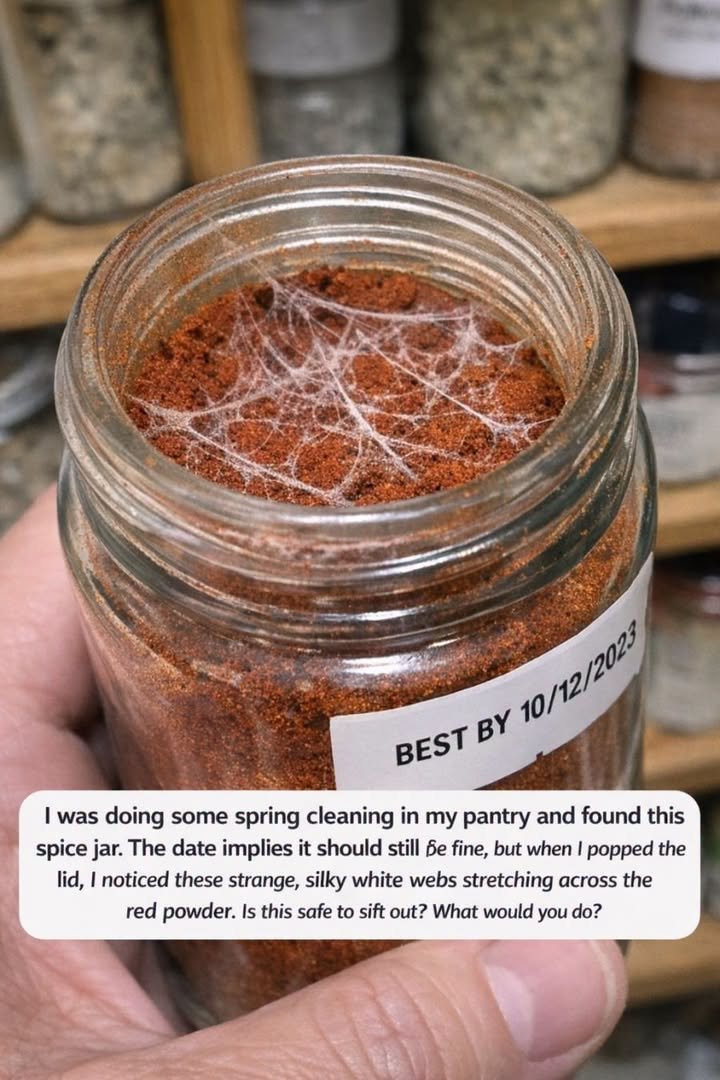
Indian meal moths are perhaps the most notorious, with larvae that create webs similar to those found in your spice jar. These pests can enter your home through infested food products or through open windows and doors. Understanding their behavior and life cycle can help you prevent future infestations.
5. Is It Ever Safe To Just Sift The Webs Out And Keep Using It?
While it may be tempting to simply sift out the webs and continue using the spice, this is not recommended. The presence of webs indicates that the spice has been contaminated with insect eggs or larvae, which can affect its quality and safety.
Consuming contaminated spices can pose health risks, and the flavor and aroma of the spice may be compromised. It’s best to err on the side of caution and discard any infested spices to ensure the safety of your meals.
6. Health Risks: What Happens If You Accidentally Eat Contaminated Paprika?
Ingesting spices contaminated with insect eggs or larvae can lead to gastrointestinal discomfort, including nausea and diarrhea, especially for those with sensitive stomachs. While most pantry pests are not directly harmful if ingested, they can carry bacteria that contribute to foodborne illnesses.
Additionally, consuming spices with altered flavors can detract from the enjoyment of your meals. To avoid these risks, it’s essential to inspect spices carefully and discard any that show signs of infestation.
7. The Step-By-Step Check: Inspecting Nearby Jars, Boxes, And Bags
After discovering an infested spice jar, it’s crucial to inspect other pantry items for signs of pests. Start by checking nearby jars, boxes, and bags for similar webs, larvae, or beetles. Pay close attention to grains, cereals, pasta, and other dry goods, as these are common targets for pantry pests.
If you notice any signs of infestation, isolate the affected items and dispose of them immediately. Cleaning the surrounding areas with a mixture of water and vinegar can help eliminate any lingering eggs or larvae, preventing the spread of pests.
8. What I’d Do In Your Shoes: When To Toss, When To Salvage Containers
In the face of a pantry pest discovery, it can be tempting to simply throw everything away. However, it’s possible to salvage some items, such as airtight containers, after a thorough cleaning. For infested spices, it’s best to discard them entirely, as sifting out contaminants does not guarantee their safety.
Containers that show no signs of infestation can be cleaned with hot, soapy water, and if necessary, sanitized with a mild bleach solution. Ensure they are completely dry before refilling them with fresh ingredients.
9. Deep-Cleaning Your Pantry After A Bug Or Mold Discovery
see continuation on next page
For Complete Cooking STEPS Please Head On Over To Next Page Or Open button (>)