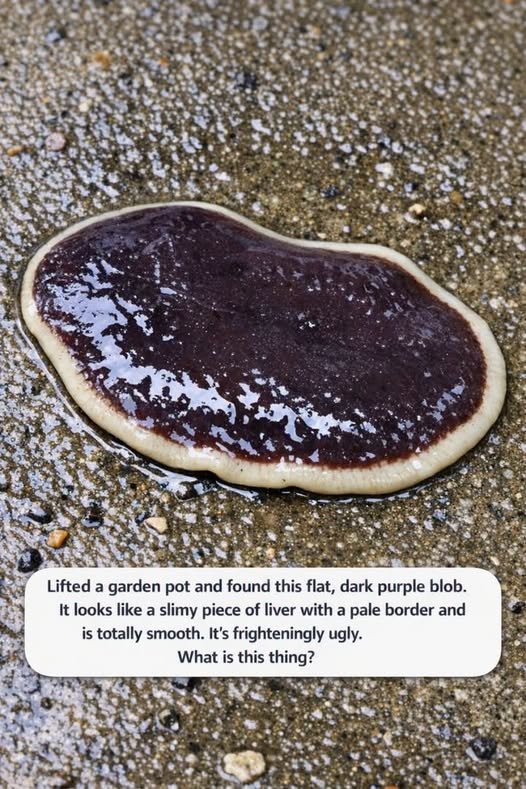
These conditions mimic their natural habitat back in New Zealand, allowing them to thrive in gardens where such microhabitats are common. Unfortunately, this means they often go unnoticed until a gardener inadvertently disturbs them.
5. Is It Dangerous To Humans Or Pets?
The New Zealand flatworm poses no direct threat to humans or pets. Unlike some other invasive species, it does not have venom or harmful toxins, and it is not aggressive. However, handling them might be unpleasant due to their slimy texture, and it is always advisable to wash your hands after contact.
The real danger lies in their impact on the ecosystem, particularly their predation on earthworms, which are crucial for soil health and fertility. This indirect effect can ultimately impact gardens and agricultural areas, making the presence of flatworms a concern for gardeners and farmers alike.
6. The Real Victims: How Flatworms Devastate Earthworm Populations
New Zealand flatworms are voracious predators of earthworms, and their presence in a garden can lead to a significant decline in earthworm populations. They hunt by secreting digestive enzymes onto their prey, dissolving them into a digestible liquid that the flatworm then consumes.
Earthworms play a vital role in aerating the soil, decomposing organic matter, and enhancing soil fertility. A decline in their numbers can lead to poorer soil health, reduced plant growth, and overall degradation of the garden ecosystem. This makes controlling flatworm populations important for maintaining a healthy garden.
7. What To Do Immediately If You Discover One
If you discover a New Zealand flatworm in your garden, it’s important to act quickly to prevent them from spreading. Carefully capture the flatworm using a pair of gloves or a tool, taking care not to let it escape back into the soil. Place it in a sealed container for further inspection or disposal.
Document the sighting by taking photographs and noting the location and conditions of the discovery. This information can be useful for tracking their spread and informing local environmental authorities or garden clubs, who may be monitoring flatworm populations.