6. Common Mistakes to Avoid
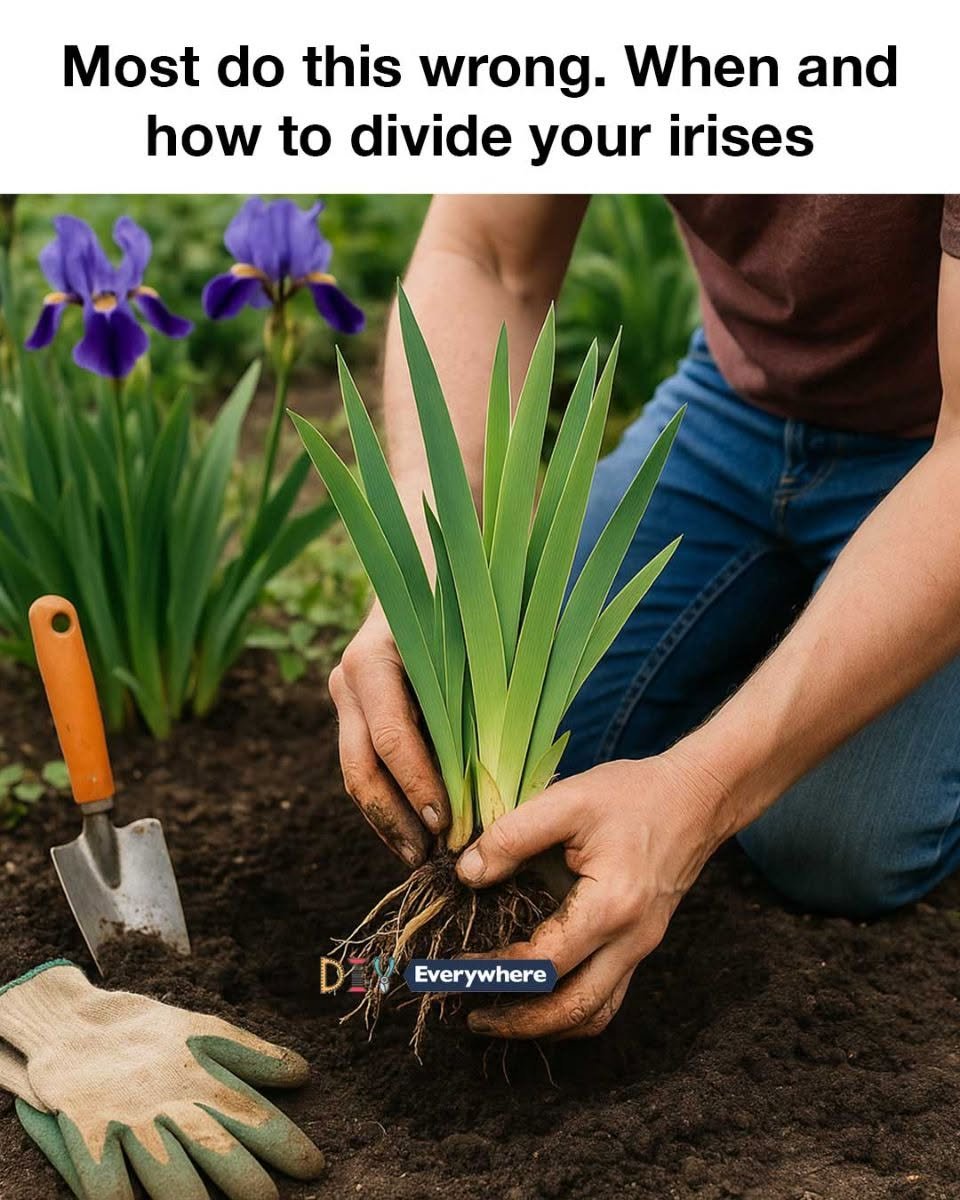
One common mistake is dividing irises too early or too late in the season, which can stress the plants and affect their growth. Another mistake is planting the rhizomes too deeply; they should be just below the soil surface to prevent rot.
Additionally, failing to clean your tools between cuts can spread disease. Always ensure your tools are sanitized, and avoid dividing irises when the weather is extremely hot or wet, as this can hinder their recovery.
7. How to Care for Divided Irises
After dividing and replanting, it’s important to water the irises regularly, especially during dry spells, to help them establish. Mulching around the plants can help retain moisture and suppress weeds.
Fertilize the irises in early spring with a balanced fertilizer to promote healthy growth and flowering. Keep an eye out for pests and diseases, and address any issues promptly to ensure your irises remain healthy.
8. Popular Myths and Misconceptions
One common myth is that irises need to be divided every year. In reality, they typically only need dividing every three to five years, depending on their growth rate and conditions.
Another misconception is that irises are difficult to divide and care for. With the right knowledge and tools, dividing irises is a straightforward process that can greatly benefit your garden.
9. Viral Hacks: What Works and What Doesn’t
Some viral gardening hacks suggest using household items like vinegar or baking soda to treat iris pests or diseases. While these can sometimes be effective, they are not a substitute for proper care and maintenance.
Other hacks, like using coffee grounds as fertilizer, can be beneficial in moderation but should not replace a balanced fertilization routine. Always research and test any hacks on a small scale before applying them widely in your garden.
10. Signs Your Irises Need Dividing
Signs that your irises need dividing include reduced flowering, smaller blooms, and rhizomes that are overcrowded or pushing out of the soil. You may also notice that the center of the clump is dying out, with new growth only occurring at the edges.
If you observe these signs, it’s a good indication that your irises would benefit from division to rejuvenate the plants and improve their overall health.
11. Long-Term Benefits of Proper Division
Properly dividing irises can lead to healthier plants with more abundant and vibrant blooms. It also helps prevent the spread of diseases and pests, ensuring your garden remains beautiful and thriving.
In the long term, regular division promotes a more organized and manageable garden, allowing you to enjoy the full beauty of your irises without the hassle of overcrowding or declining plant health.
For Complete Cooking STEPS Please Head On Over To Next Page Or Open button (>)