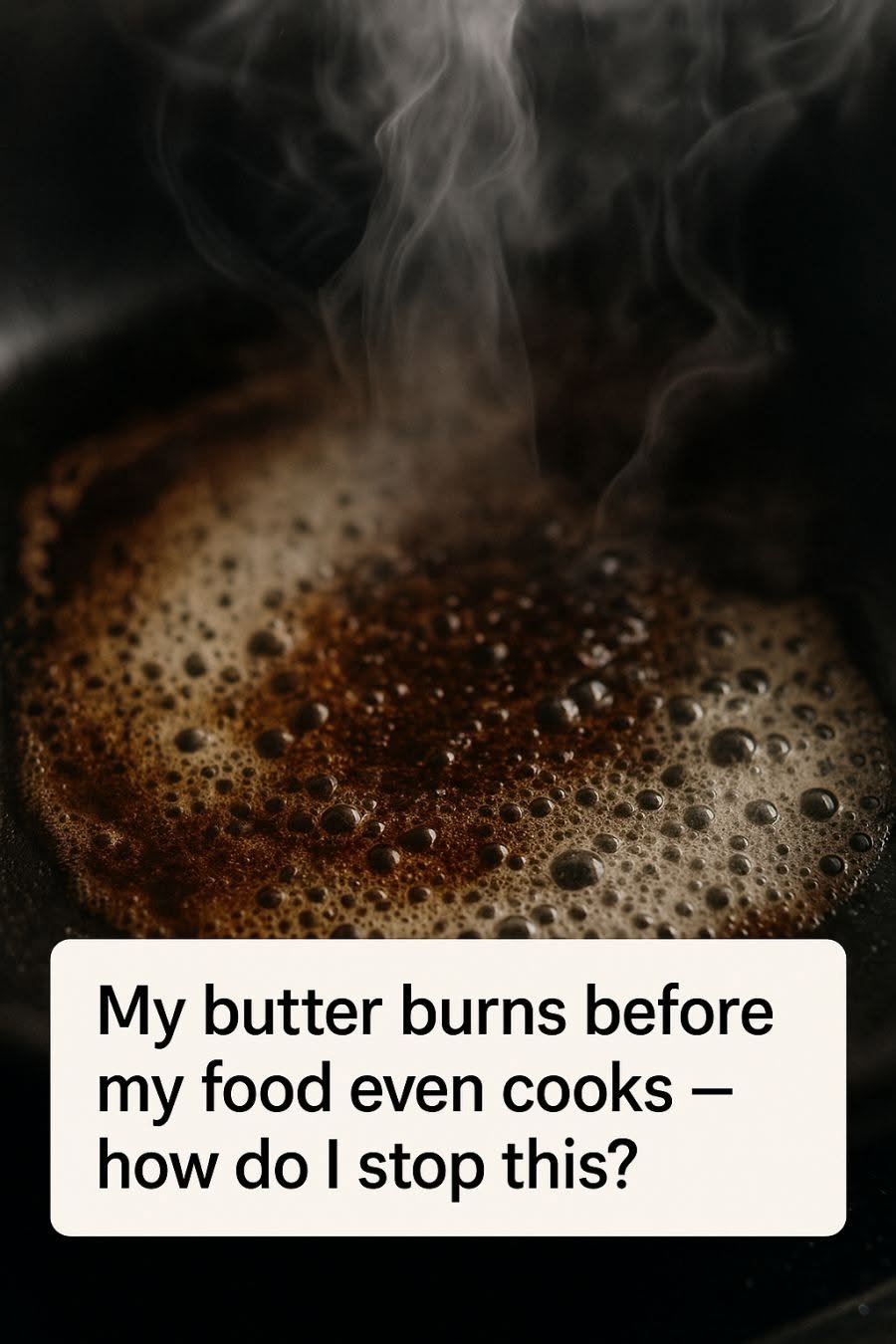
4. Pair Butter With a Neutral High-Heat Oil
Combining butter with a neutral oil that has a high smoke point can help prevent burning while maintaining the desired flavor. Oils such as vegetable, canola, or grapeseed oil can serve as a buffer, allowing you to cook at higher temperatures without compromising taste.
A common technique is to heat the oil first, then add butter once the oil is hot. This method allows the butter to melt and incorporate into the oil, reducing the likelihood of burning while still imparting its flavor to your dish.
5. Control Your Pan Temperature From the Start
Maintaining a consistent and appropriate pan temperature is crucial for preventing butter from burning. Start by preheating your pan over low to medium heat before adding butter. This gradual increase in temperature helps the butter melt evenly without scorching.
Using a thermometer can help monitor the pan’s heat, ensuring it stays within a safe range for cooking with butter. Adjusting the heat as necessary will prevent sudden temperature spikes that can cause the butter to burn.
6. Preheat the Pan Properly—But Not the Butter
Preheating the pan is essential for even cooking, but adding butter to a hot pan can lead to rapid burning. Instead, preheat the pan to the desired temperature, then reduce the heat slightly before adding butter. This approach allows the butter to melt and coat the pan evenly without reaching its smoke point too quickly.
By avoiding direct exposure to high heat, you can use butter effectively as a cooking medium, enhancing the flavor and texture of your dishes without the risk of burning.
7. Add Butter After Your Food, Not Before
One technique to prevent butter from burning is to add it after placing your food in the pan. This method allows the food to absorb some of the heat, reducing the temperature at which the butter is introduced.
For example, if you’re sautéing vegetables or cooking a piece of meat, place the food in the preheated pan first, then add butter around it. This technique ensures that the butter melts and flavors the dish without being subjected to direct, intense heat.
8. Use Moisture and Timing to Protect the Butter
Adding moisture to the pan can help protect butter from burning. For instance, cooking with a splash of broth, wine, or water can create steam that lowers the overall temperature and prevents the butter from reaching its smoke point too quickly.
Timing is also crucial—adding butter towards the end of the cooking process can enhance flavor without risking burning. This approach works well for finishing sauces or glazing vegetables, where the butter can melt and blend with the dish just before serving.
9. Choose the Right Pan for Even, Gentle Heat
see continuation on next page
For Complete Cooking STEPS Please Head On Over To Next Page Or Open button (>)