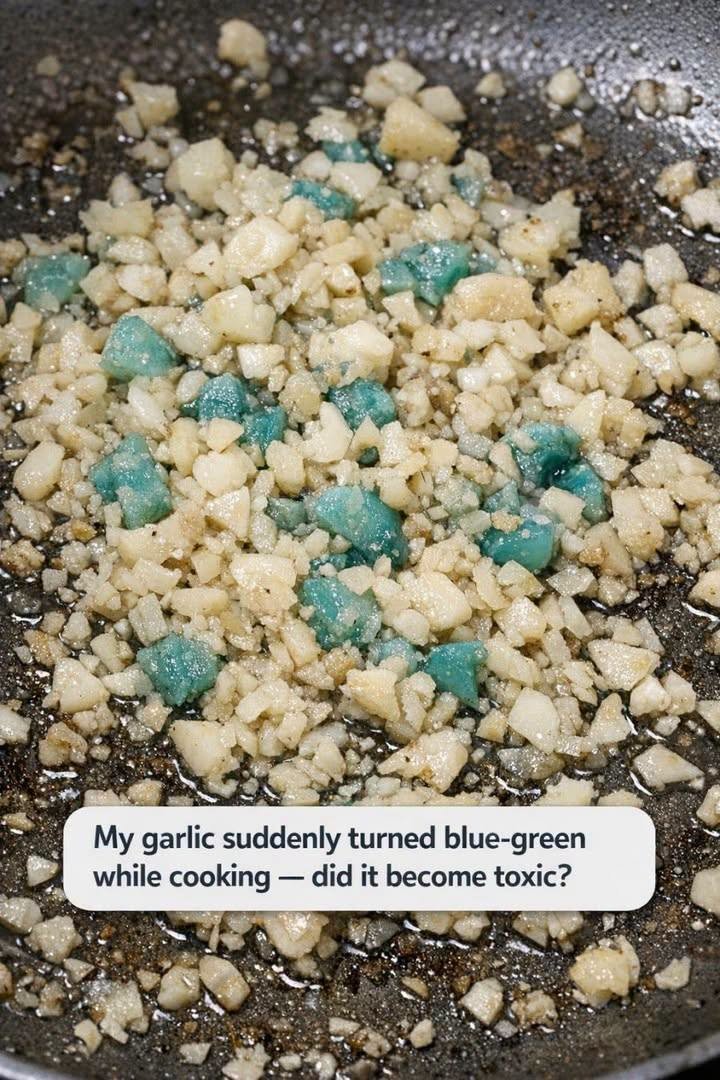
6. How Acidity, Salt, and Temperature Affect Garlic’s Color
Acidity plays a significant role in garlic’s color transformation. Acidic ingredients like vinegar or lemon juice can enhance the formation of pigments by providing a stable environment for the chemical reactions to occur. Salt, while not directly causing color changes, can influence the ionic balance in garlic’s cells, potentially affecting the rate of these reactions.
Temperature is another crucial factor. High temperatures accelerate the breakdown of sulfur compounds in garlic, making it more susceptible to color changes. Cooking garlic at moderate temperatures or adding it towards the end of the cooking process can help mitigate these effects. Conversely, rapidly cooling garlic after cooking can also prevent the pigments from developing further.
7. Fresh vs. Old Garlic: Which Cloves Are More Likely to Turn Blue?
Fresh garlic is generally less likely to turn blue-green compared to older garlic. This is because fresh garlic contains a higher concentration of moisture and less of the enzymes and compounds that contribute to the color change. Over time, as garlic ages, it loses moisture, and its chemical composition changes, making it more susceptible to discoloration.
Sprouted garlic, which is older and has started to grow green shoots, is especially prone to turning blue-green when cooked. The sprouting process alters the balance of compounds within the garlic, increasing the likelihood of pigment formation. Therefore, for recipes where color is a concern, using fresher garlic is advisable.
8. How Different Cuisines Use (and Even Embrace) Blue Garlic
In some cuisines, the color change in garlic is not only accepted but embraced as a unique characteristic. For example, in some areas of China, pickled garlic that turns a bright turquoise or blue is a traditional delicacy, prized for its unusual appearance and tangy flavor. This form of garlic is often served as a side dish or used to add visual interest to meals.
Similarly, in Korean cooking, garlic is sometimes fermented to achieve specific flavor profiles, during which color changes may occur. These culinary practices demonstrate that color changes in garlic can be culturally appreciated and are considered a normal part of the cooking process in various traditional dishes.
9. Simple Cooking Tricks to Prevent Garlic From Turning Blue-Green
To prevent garlic from turning blue-green, consider adjusting the acidity and temperature during cooking. Adding garlic towards the end of the cooking process can reduce its exposure to heat, minimizing the likelihood of color changes. Using nonreactive cookware, such as stainless steel or cast iron, can also help prevent unwanted reactions with metals that may catalyze discoloration.
Another tip is to blanch garlic briefly before using it in recipes with acidic ingredients. This process can help denature the enzymes responsible for the color change. Additionally, using fresh garlic and ensuring it is stored properly can reduce the chances of discoloration.
10. Safe Storage Habits to Keep Garlic Stable and Flavorful
Proper storage is essential to maintain garlic’s freshness and prevent spoilage. Garlic should be stored in a cool, dry place with good air circulation, such as a pantry or a well-ventilated cupboard. Avoid storing garlic in the refrigerator, as the moisture can promote sprouting and mold growth.
If you have peeled or minced garlic, it should be stored in an airtight container in the refrigerator and used within a few days. For long-term storage, garlic can be frozen, but this may alter its texture and flavor. Dehydrating or pickling garlic are other methods to preserve it while preventing spoilage.
11. What Food Scientists Say About Eating Discolored Garlic
Food scientists generally agree that garlic’s color change due to chemical reactions is not harmful. The pigments formed are considered safe to eat, as they are similar to those found naturally in other foods. However, they emphasize the importance of ensuring the garlic is still fresh and free from spoilage before consumption.
Research into garlic’s chemical composition continues to provide insights into its behavior during cooking, with studies focusing on optimizing storage and cooking methods to maintain its flavor and nutritional benefits. The consensus is that while color changes can be surprising, they are part of garlic’s natural response to various cooking conditions.
For Complete Cooking STEPS Please Head On Over To Next Page Or Open button (>)