7. The Smell Test Myth: Why “It Looks Fine” Isn’t Good Enough
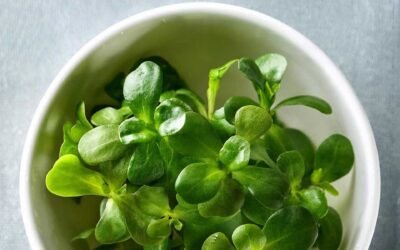
Relying on smell, taste, or appearance to judge the safety of food is misleading. Many harmful bacteria and their toxins cannot be detected this way. Foods can appear perfectly normal but still harbor enough bacteria to cause illness.
The ‘smell test’ is a myth that can lead to foodborne illnesses because it overlooks the rapid, invisible growth of bacteria that can occur at room temperature.
8. Viral Cooling Hacks: Ice Baths, Shallow Containers, and Portioning
To cool soups more safely, consider using an ice bath. Placing the pot in a sink filled with ice and water can rapidly reduce the temperature, minimizing the time spent in the danger zone.
Alternatively, transferring soup into shallow containers increases the surface area exposed to cooler air, helping it chill faster. Portioning soup into smaller amounts also enhances cooling efficiency and facilitates quicker storage in a refrigerator.
9. Can You Leave Soup Out Overnight and Reboil It Safely?
Leaving soup out overnight is generally unsafe, even if you plan to reboil it. While reheating to a rolling boil can kill live bacteria, it may not destroy heat-stable toxins already produced by bacterial growth.
The risk of consuming such toxins makes it crucial to adhere to proper cooling and storage practices rather than relying on reheating to ensure safety.
10. How Restaurants Cool Big Batches of Soup by the Book
Restaurants follow stringent food safety protocols to ensure large batches of soup are cooled quickly and safely. This often involves using commercial-grade ice paddles to stir soups, rapidly bringing down the temperature, or employing blast chillers that quickly lower food temperatures.
These methods are designed to prevent bacterial growth by minimizing the time food spends in the danger zone, ensuring that soups are both delicious and safe to serve.
11. Safer Traditions: Updating Grandma’s Methods Without Losing the Ritual
While it’s important to update food safety practices, this doesn’t mean losing the tradition of Grandma’s soup. By educating her about modern food safety guidelines and incorporating safe cooling techniques, such as ice baths or shallow containers, families can preserve the ritual while ensuring everyone’s health.
These updates can become new traditions themselves, combining cherished family customs with contemporary food safety practices for peace of mind.
12. When to Toss It: Clear Red Lines for Saying Goodbye to That Pot of Soup
Knowing when to discard soup is crucial for health. If soup has been left out for more than two hours, especially if it contains high-risk ingredients like meat or dairy, it’s safer to discard it.
While it may feel wasteful, prioritizing health and safety over the cost of ingredients is essential. Understanding the risks and adhering to guidelines can prevent foodborne illnesses, making it easier to part with potentially unsafe food.
For Complete Cooking STEPS Please Head On Over To Next Page Or Open button (>)