6. High Heat The Whole Time Turns The Outside To Sawdust
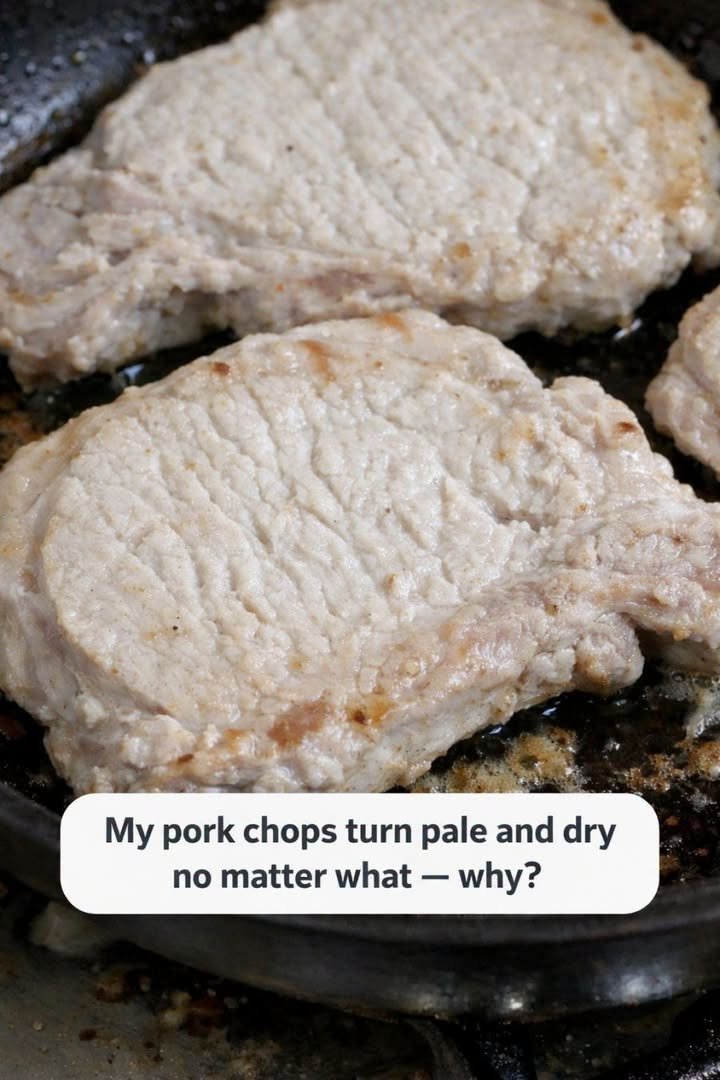
Cooking pork chops over high heat for the entire cooking process can cause the exterior to become overly dry and tough, resembling sawdust. While high heat is excellent for achieving a nice sear, it’s not ideal for cooking the meat through.
Instead, use a two-step cooking method: start with high heat to sear the chops and develop flavor, then reduce the heat or transfer the chops to a preheated oven to finish cooking gently. This method helps to preserve moisture and results in a more tender chop.
7. You’re Skipping The Brine Or Marinade Safety Net
Brining or marinating pork chops can be a game-changer, especially for lean cuts. Brines infuse the meat with moisture and flavor, while marinades can add complexity and depth. A simple brine made from water, salt, and sugar can work wonders, while marinades often include acidic components like vinegar or citrus juice to tenderize the meat.
Allow the chops to soak in the brine or marinade for at least 30 minutes, but ideally a few hours, to maximize the effect. This step can significantly enhance the juiciness and flavor of your pork chops.
8. A Pan That’s Too Crowded Steams, Then Dries Your Chops
Overcrowding the pan is a common mistake that leads to steaming rather than searing. When too many chops are crammed into a pan, the heat cannot circulate properly, causing the meat to steam in its own juices instead of caramelizing.
To avoid this, cook pork chops in batches if necessary, ensuring there is adequate space between each piece. This allows for proper browning and prevents the release of excess moisture, which can lead to drying out the meat.
9. You’re Not Resting The Meat (So The Juices Run Out)
Resting meat after cooking is a crucial step that allows the juices to redistribute throughout the chop. Cutting into meat immediately after cooking will cause the juices to spill out, resulting in a dry final product.
After removing pork chops from the heat, let them rest for at least 3 to 5 minutes before slicing. This short period of patience ensures that the juices remain locked in, delivering a more succulent and flavorful eating experience.
10. Cheap Thermometers — Or None At All — Lie To You
Relying on cheap or inaccurate thermometers can lead to improperly cooked pork chops. An unreliable thermometer might show the wrong temperature, causing you to overcook or undercook your meat.
Invest in a high-quality, instant-read thermometer to ensure precision. This tool will give you confidence in cooking your pork chops to the correct temperature, avoiding the pitfalls of dryness and ensuring perfect results every time.
11. The Cut You’re Buying Is Working Against You
The cut of pork chop you choose can significantly impact the outcome of your dish. Different cuts come with varying levels of fat and tenderness. For instance, loin chops are leaner and can dry out if overcooked, while rib chops have more marbling and tend to be juicier.
Choosing the right cut for your cooking method is essential. If you’re grilling, a thicker, bone-in chop might be best. If you’re pan-frying, a rib chop can offer more flavor and moisture. Understanding the characteristics of different cuts will help you select the best option for your desired outcome.
For Complete Cooking STEPS Please Head On Over To Next Page Or Open button (>)