6. Why Some Cuts Show the Rainbow Effect More Than Others
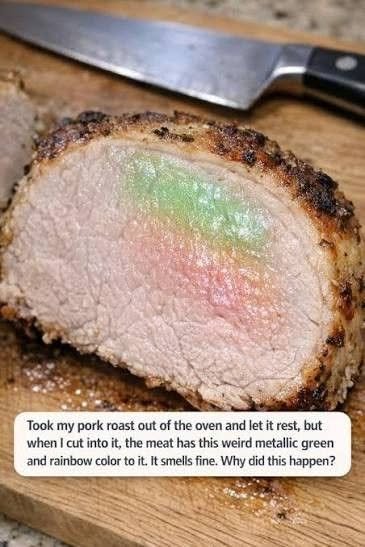
Certain cuts of pork are more prone to exhibiting the iridescent effect due to their specific muscle structure and composition. For example, cuts with larger, more defined muscle fibers, such as the loin or shoulder, may show more pronounced iridescence because the fibers create more distinct layers for light to interact with.
Additionally, how the meat is sliced can influence the visibility of the rainbow sheen. Thinly sliced pieces, particularly those cut against the grain, can reveal more surface area and showcase the diffraction effect more prominently. This is why deli meats and thin cuts often display more obvious iridescence compared to thicker, more compact cuts.
7. How Processing, Brining, and Curing Can Intensify the Sheen
The processing methods used on pork can also affect the appearance of iridescence. Brining, curing, or marinating pork can alter the muscle fibers’ structure, potentially enhancing the diffraction effect. These processes often involve the addition of salt, which can change the way proteins are aligned within the meat.
Moreover, curing agents and other additives used in processed meats can intensify the sheen by introducing additional layers or altering the refractive index of the muscle fibers. These changes can enhance the natural iridescence and make the colors more vivid. However, these effects are generally harmless and do not indicate any reduction in the safety or quality of the meat.
8. The Science of Myoglobin, Pigments, and Heat
Myoglobin, a protein responsible for the red color in meat, plays a role in the iridescent phenomenon as well. When pork is cooked, myoglobin is denatured by heat, changing its structure and the way it influences light reflection. This denaturation can contribute to the creation of the diffraction grating effect that causes iridescence.
Different cooking methods and temperatures can affect the appearance of myoglobin and other pigments in the meat. For example, slow roasting at lower temperatures may allow for a more gradual transformation of these proteins, potentially enhancing the iridescent effect. Understanding the interplay between myoglobin, heat, and muscle structure can help explain why cooked pork sometimes displays this intriguing color shift.
9. Simple Tests to Tell Harmless Iridescence From Bad Meat
To distinguish between harmless iridescence and signs of spoilage, a few simple tests can be applied. First, check the smell of the pork—fresh meat should have a clean, neutral odor. Any sour or ammonia-like smells are a clear indicator of spoilage.
Next, inspect the texture of the meat. Fresh pork should feel firm and springy, not slimy or sticky. If the meat passes these tests and has been cooked to the recommended internal temperature, then the iridescent effect is likely harmless. When in doubt, trust your senses and err on the side of caution to ensure food safety.
10. Tips to Minimize the Metallic Look in Future Roasts
If the metallic look of iridescent pork bothers you, there are a few strategies to minimize its appearance. First, consider adjusting the way you slice the meat. Cutting across the grain can reduce the visibility of the rainbow effect by disrupting the alignment of muscle fibers.
Additionally, using marinades or rubs with darker colors can help mask the iridescence. Cooking the pork at a slightly higher temperature or using methods that encourage browning, such as searing, can also help create a more uniform surface color. Experimenting with these techniques can help achieve the desired appearance in your future roasts.
11. What Food Safety Experts and Butchers Want You to Know
Food safety experts and butchers emphasize that iridescence in pork is a natural and harmless occurrence. They assure consumers that as long as the meat has been stored and cooked properly, the colorful sheen is not a cause for concern.
Experts recommend focusing on the overall quality indicators of the pork, such as smell, texture, and cooking temperature, to assess safety. By understanding the science behind iridescence and following best practices for meat preparation and storage, you can enjoy your pork roast with confidence and peace of mind.
For Complete Cooking STEPS Please Head On Over To Next Page Or Open button (>)