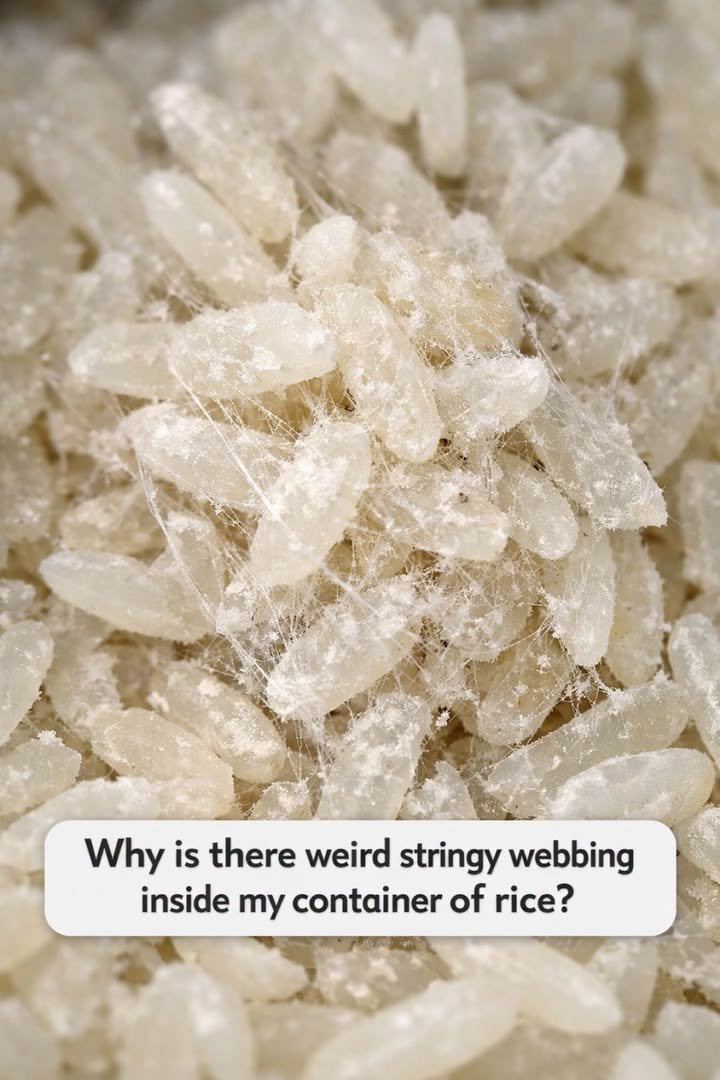
5. Is Webby, Wormy Rice Safe to Eat?
While the thought of consuming rice contaminated with larvae and webbing is unappealing, it is technically not harmful to your health. The larvae are not known to carry diseases that affect humans. However, the presence of insects in your food can degrade its quality and taste, making it undesirable to eat.
If you find webbing in your rice, it’s best to discard the affected product to prevent the spread of the infestation. Consuming heavily contaminated rice is not recommended, as it may cause an upset stomach or allergic reactions in sensitive individuals.
6. Why Rice and Other Dry Goods Attract Indian Meal Moths
Indian meal moths are drawn to dry food products because they provide an ideal environment for the larvae to develop. Foods like rice, grains, nuts, and cereals offer a rich source of nutrients that support the growth and reproduction of these insects.
The moths are particularly attracted to foods that are improperly stored, such as those in unsealed containers or bags. Warm and humid conditions can also accelerate the life cycle of the moths, leading to more frequent and intense infestations.
7. How to Inspect, Sort, and Safely Dispose of Contaminated Rice
To address a pantry moth infestation, start by thoroughly inspecting all food items in your pantry. Look for signs of webbing, larvae, or adult moths in rice and other dry goods. Remove any contaminated items immediately to prevent the spread of the infestation.
Dispose of infested food in a sealed trash bag and remove it from your home promptly. Clean affected storage containers with hot, soapy water, and allow them to dry completely before refilling. Consider placing non-infested dry goods in the freezer for a few days to kill any lingering eggs or larvae.
8. Deep-Cleaning Your Pantry to Stop the Webbing From Coming Back
After removing contaminated food, conduct a thorough cleaning of your pantry. Vacuum shelves, corners, and crevices to remove any remaining larvae or frass. Wipe down surfaces with a mixture of vinegar and water to eliminate odors that might attract pests.
Consider using natural deterrents such as bay leaves or sachets of dried lavender, which can help repel moths. Regularly inspect your pantry for signs of reinfestation and clean it periodically to maintain a pest-free environment.
9. Smart Storage Hacks to Prevent Future Webbing in Rice
To prevent future infestations, store dry goods in airtight, pest-proof containers made of glass, metal, or thick plastic. These materials are difficult for larvae to penetrate and help maintain the freshness of your food.
Label containers with the purchase date and adopt a ‘first in, first out’ approach to ensure older products are used before newer ones. Regularly check for signs of pests and maintain a clean, organized pantry to reduce the risk of infestation.
10. When to Call Pest Control (And When You Can Handle It Yourself)
In most cases, a pantry moth infestation can be managed with diligent cleaning and storage practices. However, if the infestation is severe or persists despite your efforts, it may be time to call a professional pest control service. They can provide targeted treatments to eliminate the problem and offer advice on preventing future occurrences.
On the other hand, if the infestation is localized and manageable, you can likely handle it yourself with thorough cleaning and improved storage methods. Taking proactive steps to maintain a pest-free kitchen will help ensure your pantry remains safe and free from unwanted invaders.
For Complete Cooking STEPS Please Head On Over To Next Page Or Open button (>)