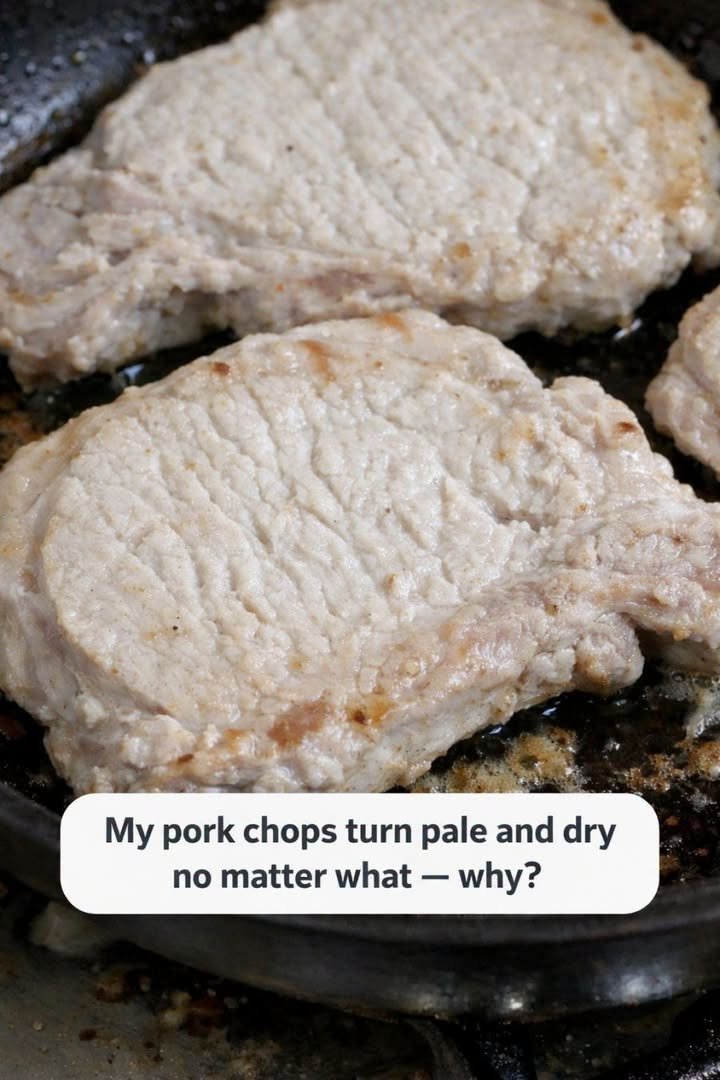
Pork chops, when cooked to perfection, can be incredibly juicy and flavorful, making them a favorite for many home cooks and professional chefs alike. However, achieving that perfect balance often eludes many, leading to pork that is pale, dry, and tough. If you’ve ever wondered why your pork chops seem to consistently fall short of delicious, you’re not alone. Understanding the common pitfalls can help you transform your cooking technique and elevate your pork chops to a new level.
In this article, we’ll explore the reasons why pork chops might not turn out as expected and provide practical solutions to remedy these issues. From cooking techniques to meat selection, each factor plays a crucial role in the final result. Let’s dive into the details and uncover the secrets to perfect pork chops.
1. You’re Cooking Pork Like It’s Still ‘The Other White Meat’
For years, pork was marketed as ‘The Other White Meat,’ encouraging consumers to think of it in the same vein as chicken breast: lean and mild. This led to a trend of overcooking pork in an effort to ensure doneness, resulting in dry and flavorless meat. The reality is that pork can be safely cooked to 145°F, which leaves the meat juicy and slightly pink in the center. Embracing this updated temperature guideline is the first step in achieving moist pork chops.
Additionally, recognizing that pork is a versatile meat with its own unique profile will help you appreciate its potential. Instead of viewing it as a substitute for chicken, consider it a star ingredient in its own right, deserving of thoughtful preparation and seasoning.
2. Fear Of Pink Pork Is Making You Overcook It
The fear of undercooked pork is deeply ingrained in many cooks, stemming from past concerns about trichinosis, a disease caused by a parasite that was once a risk in pork. However, modern pork production has virtually eliminated this risk, and the USDA now recommends cooking pork to 145°F followed by a three-minute rest. This temperature allows for a slight pinkness without any safety concerns.
Overcoming the fear of pink pork is crucial. Using a reliable meat thermometer can help you gain confidence in cooking pork to the correct temperature, ensuring both safety and succulence.
3. Lean Modern Chops Dry Out Faster Than You Think
Today’s pork is bred to be much leaner than it was in the past, which presents a challenge for cooks. Lean meat lacks the fat that traditionally kept pork juicy during cooking. This means that modern pork chops can dry out quickly if overcooked, even slightly.
To compensate for the leanness, consider using techniques that add moisture and flavor. Brining, marinating, or basting during cooking can help maintain juiciness. Additionally, choosing cuts with more marbling, such as rib chops, can provide a better flavor and texture.
4. Thin, Boneless Cuts Give You Almost No Margin For Error
Thin, boneless pork chops are convenient and quick-cooking, but they can also be unforgiving. These cuts lack the bone and fat that help to insulate the meat, making them prone to overcooking and drying out.
To mitigate this, consider using a quick sear followed by a gentle finish in the oven. This approach allows you to develop a flavorful crust without overcooking the interior. Alternatively, opt for thicker, bone-in chops, which tend to retain moisture better during cooking.
5. Starting With Ice-Cold Meat Sabotages Juiciness
Cooking pork chops straight from the refrigerator can lead to uneven cooking and dryness. Cold meat takes longer to heat through, which can result in the exterior overcooking while the interior remains underdone or unevenly cooked.
To avoid this, allow your pork chops to come to room temperature for about 20 to 30 minutes before cooking. This small step ensures more even cooking, helping to keep the meat juicy and tender.
6. High Heat The Whole Time Turns The Outside To Sawdust
see continuation on next page
For Complete Cooking STEPS Please Head On Over To Next Page Or Open button (>)