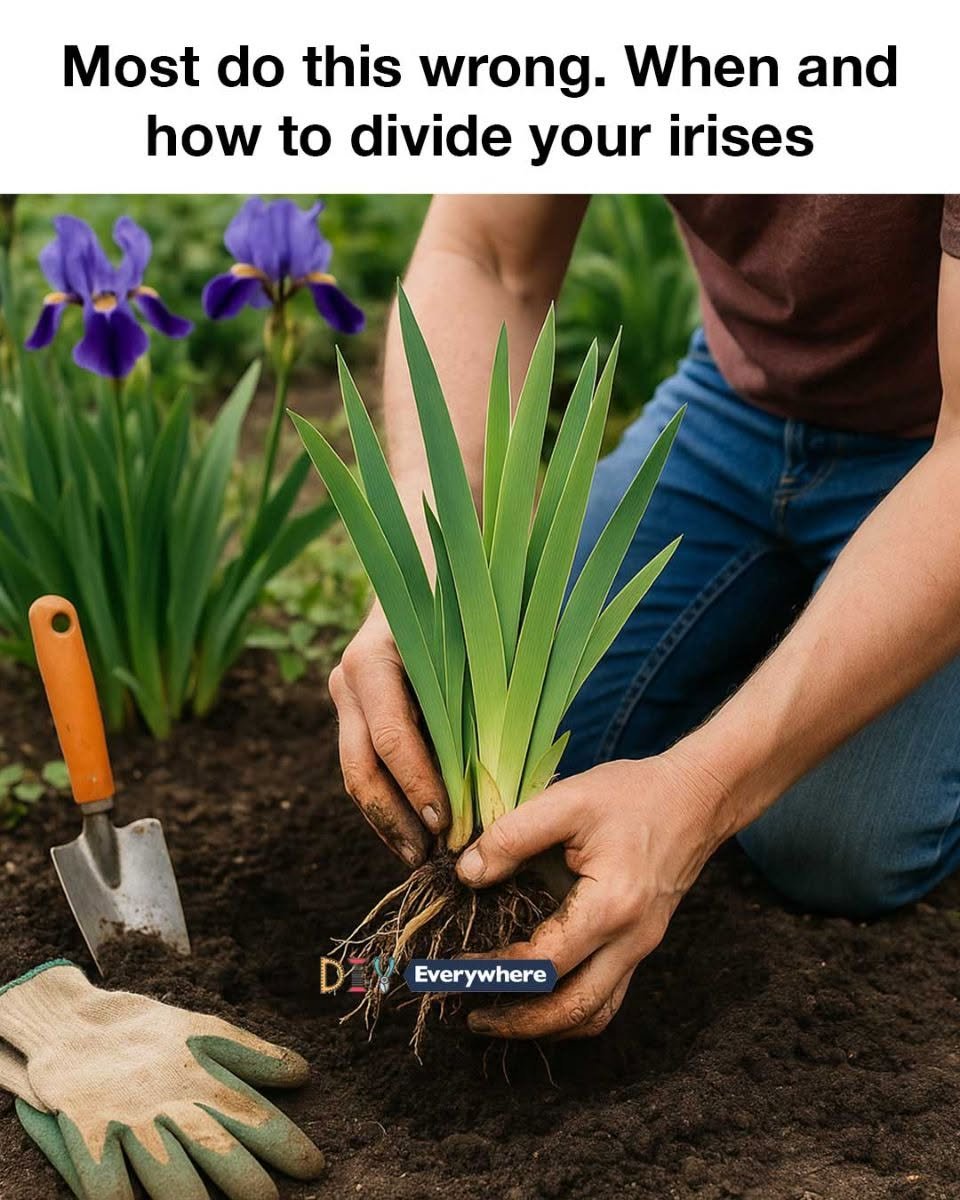
Irises are a beloved addition to many gardens, known for their vibrant colors and intricate blooms. However, many gardeners find themselves puzzled when it comes to maintaining these beautiful plants. One of the most common mistakes is not dividing irises at the right time or in the right way, which can lead to overcrowding and reduced blooms.
Dividing irises is a crucial part of their care, ensuring that they continue to thrive and produce stunning flowers year after year. In this article, we will explore the life cycle of irises, why division is essential, and provide a step-by-step guide to doing it correctly. Whether you’re a seasoned gardener or a novice, understanding how to properly divide your irises will help you maintain a healthy and beautiful garden.
1. Understanding the Life Cycle of Irises
Irises are perennial plants that go through a cycle of growth, bloom, and dormancy. Typically, irises bloom in late spring to early summer, depending on the variety and climate. After blooming, the plants enter a period of growth where they store energy in their rhizomes for the next season.
The rhizomes, which are thick, fleshy roots, gradually spread and multiply, leading to clumps of irises. Over time, these clumps can become overcrowded, which can hinder their growth and flowering. Understanding this cycle is crucial for knowing when to intervene and divide the plants to ensure they remain healthy and productive.
2. Why Dividing Irises Is Essential
Dividing irises is essential for several reasons. Firstly, it prevents overcrowding, which can lead to competition for nutrients and water, resulting in weaker plants and fewer blooms. Secondly, dividing irises rejuvenates the plants, encouraging new growth and more vigorous flowering.
Additionally, dividing irises helps control pests and diseases. Overcrowded plants are more susceptible to issues such as rhizome rot and iris borers. By regularly dividing and replanting irises, you can maintain a healthier garden and enjoy more robust plants.
3. Identifying the Right Time to Divide
The best time to divide irises is during their dormant period, which is typically in late summer to early fall, about six to eight weeks after blooming. This timing allows the plants to recover and establish themselves before the onset of winter.
Look for signs that your irises need dividing, such as reduced blooms, smaller flowers, or rhizomes pushing out of the soil. If you notice these signs, it’s time to plan for division to ensure your irises remain healthy and vibrant.
4. Tools You Need for Dividing Irises
To divide irises, you’ll need a few essential tools: a sharp spade or garden fork, a clean knife or pruners, and a bucket of water. The spade or fork is used to carefully lift the clump of irises from the ground, while the knife or pruners are used to separate the rhizomes.
It’s important to ensure that your tools are clean and sharp to prevent damage to the plants and reduce the risk of disease. Additionally, having a bucket of water on hand can help keep the rhizomes moist while you work, preventing them from drying out.
5. Step-by-Step Guide to Dividing Irises
1. Begin by cutting back the iris foliage to about 6 inches to make handling easier.
2. Use a spade or garden fork to carefully dig around the clump, lifting it out of the ground.
3. Gently shake off excess soil and examine the rhizomes for healthy, firm sections.
4. Use a clean knife or pruners to cut the rhizomes into sections, ensuring each has at least one fan of leaves and healthy roots.
5. Discard any old, diseased, or damaged rhizomes.
6. Replant the divided rhizomes in a sunny location with well-draining soil, spacing them about 12 to 18 inches apart.
7. Water the newly planted rhizomes thoroughly to help them establish.
6. Common Mistakes to Avoid
see continuation on next page
For Complete Cooking STEPS Please Head On Over To Next Page Or Open button (>)