Introduction
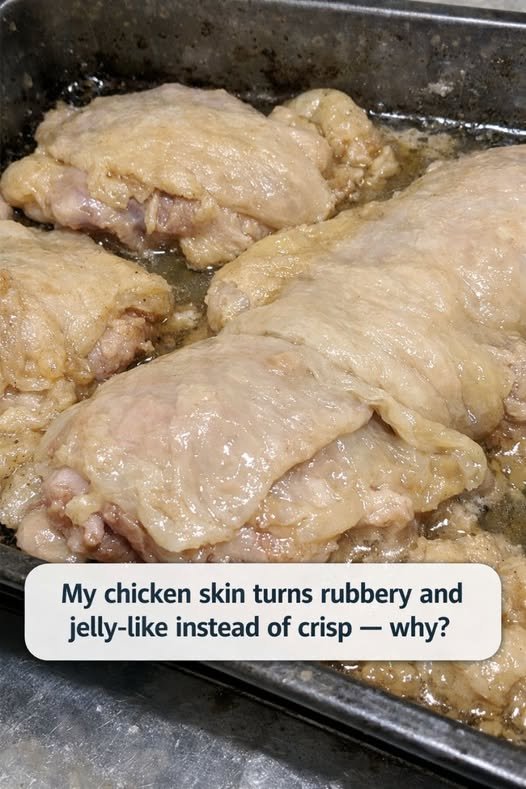
Achieving perfectly crispy chicken skin is a culinary goal that many home cooks strive to master. Unfortunately, it’s not uncommon to end up with skin that is rubbery or jelly-like, rather than the tantalizing, shatteringly crisp texture we desire. Understanding the various factors that can affect the crispiness of chicken skin can help you avoid common pitfalls and ensure your next dish is a success.
From the preparation of the chicken to the cooking methods employed, each step in the process holds the potential to make or break the final outcome. This article delves into the most common reasons why chicken skin might not turn out as crisp as intended, and offers practical tips to help you achieve that perfect, golden-brown exterior.
1. You’re Starting With Damp, Not Dry, Chicken Skin
Moisture is the enemy of crispiness. If the chicken skin is damp, it will steam instead of rendering and crisping. Before cooking, ensure that the chicken skin is thoroughly dried with paper towels. For best results, let the chicken air-dry in the refrigerator for several hours or overnight, uncovered, so that any excess moisture evaporates.
Additionally, pat the chicken skin dry again before cooking, just in case any condensation has formed during refrigeration. This simple step can make a significant difference in the texture of the skin.
2. You’re Crowding the Pan and Trapping Steam
When too many pieces of chicken are packed into a pan, they release moisture as they cook, leading to steam. This steam prevents the skin from crisping and instead causes it to become soft and rubbery. To avoid this, use a pan large enough to allow space between each piece of chicken.
If you’re using an oven, ensure that there is adequate airflow around the chicken. Consider using a wire rack placed over a baking sheet, allowing heat to circulate evenly. If necessary, cook in batches to maintain the proper conditions for crisping.
3. Your Oven or Pan Just Isn’t Hot Enough
Crispy chicken skin requires high heat to render out the fat and achieve a golden-brown color. If your oven or pan isn’t hot enough, the skin will cook slowly and become gelatinous rather than crisp. Preheat your oven to at least 425°F (220°C) or heat your pan over medium-high heat before adding the chicken.
If using a skillet, consider using cast iron for its excellent heat retention properties. Monitor the temperature and adjust as needed to maintain consistent, high heat throughout the cooking process.
4. You’re Skipping the Salt-Then-Air-Dry Step
Salting the chicken skin well in advance of cooking not only seasons the meat but also draws out moisture, which is key to achieving crispiness. After salting, allow the chicken to air-dry in the refrigerator, uncovered, for several hours or overnight. This process helps create a dry surface that browns and crisps more effectively.
Use kosher salt or sea salt, as their larger crystals work well to draw out moisture. Be sure to evenly distribute the salt across the entire surface of the chicken skin.
5. You’re Using the Wrong Fat — or Not Enough of It
see continuation on next page
For Complete Cooking STEPS Please Head On Over To Next Page Or Open button (>)