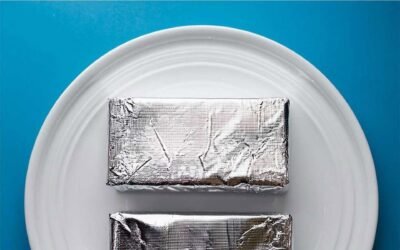
In many households, the kitchen is a place where tradition meets practicality. For some, like my grandma, storing butter on the counter is a longtime practice, rooted in convenience and culinary habits. However, for those aware of modern food safety guidelines, this practice might raise concerns about the freshness and safety of butter left unrefrigerated.
Butter, a staple in many cooking and baking recipes, is often stored in the refrigerator to prevent spoilage. Yet, some believe that keeping it at room temperature enhances its spreadability and flavor. Understanding the balance between convenience and safety is crucial, especially when questioning how long butter can be safely left out on the counter.
Understanding Butter’s Composition
Butter is primarily composed of milk fat, with a typical fat content of around 80%. It also contains water and milk solids, which contribute to its creamy texture and rich flavor. The high-fat content and low water activity make butter less susceptible to bacterial growth compared to other dairy products.
However, the presence of milk solids can lead to oxidation and rancidity if butter is exposed to air for too long. Salted butter is more resistant to spoilage due to its salt content, which acts as a preservative. Unsalted butter, on the other hand, has a shorter shelf life and is more prone to spoilage.
Room Temperature Butter: A Culinary Tradition
Keeping butter at room temperature is a practice rooted in culinary tradition, especially in European kitchens where butter is often used as a condiment. The ease of spreading soft butter on bread or incorporating it into recipes without waiting for it to soften is a key reason for this tradition.
In many cuisines, room temperature butter is favored for its flavor and texture, which can enhance the overall taste of dishes. The tradition continues in many homes today, despite modern refrigeration techniques.
The Science Behind Butter Storage
The storage of butter is influenced by its composition and environmental factors. Butter’s high-fat content creates a barrier against bacterial growth, but exposure to air, light, and heat can lead to rancidity. Oxidation is the chemical reaction that occurs when fat molecules break down, resulting in off-flavors and smells.
A cool, dark, and airtight environment slows down this oxidation process, which is why refrigeration is recommended. However, understanding the balance between storage conditions and usage habits can help determine the best way to store butter in your home.
How Long Butter Can Stay Out Safely
see continuation on next page
For Complete Cooking STEPS Please Head On Over To Next Page Or Open button (>)