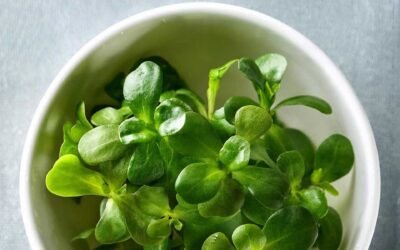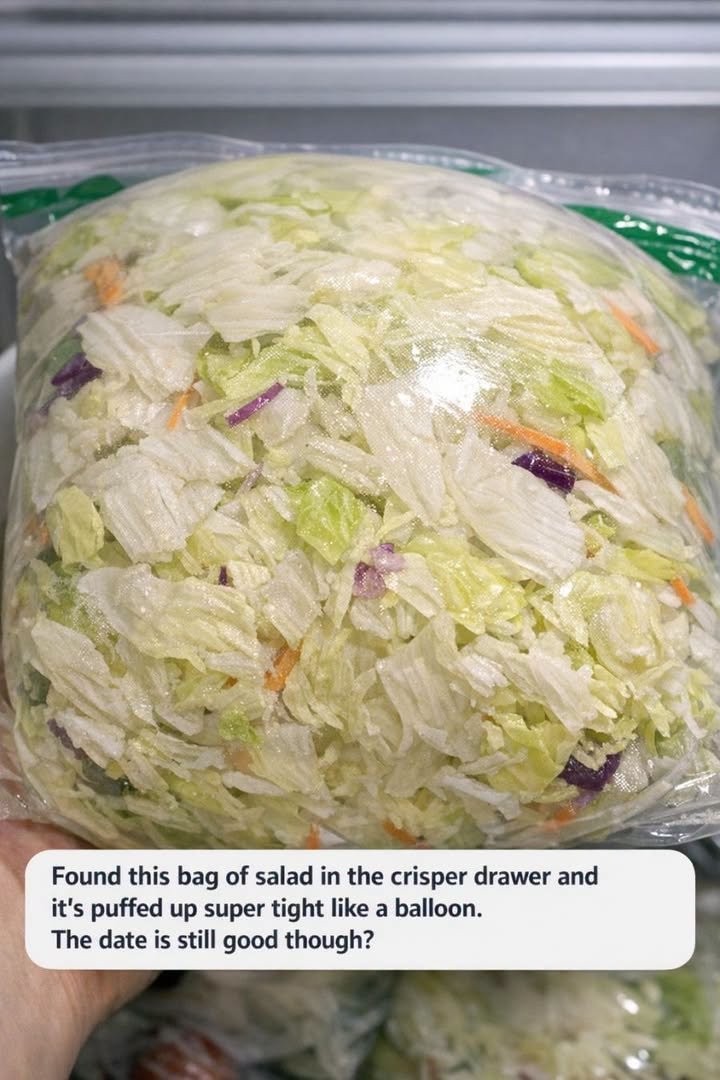
You’ve just opened your refrigerator, and there it is: a bag of salad in the crisper drawer, puffed up tight like a balloon, almost daring you to open it. The ‘best by’ date is still a few days away, so should you be concerned? This scenario is all too familiar for many of us trying to maintain a healthy diet with fresh greens. But what causes this puffing, and is it safe to eat?
In this article, we’ll dive into the causes behind the inflation of your salad bag, explore the science of bacterial respiration, and discuss food safety standards. We’ll also provide practical tips on how to keep your bagged greens fresh and safe to consume, ensuring you can enjoy your salads without worry.
1. Why Your Salad Bag Is Puffing Up Like a Balloon
The puffing up of your salad bag is primarily due to the buildup of gases inside the package. This phenomenon occurs when bacteria present on the greens or introduced during packaging begin to consume the organic matter. As they respire, they produce gases, primarily carbon dioxide, which causes the bag to expand.
In addition to bacterial activity, the natural respiration of the greens themselves can contribute to gas accumulation. Vegetables continue to ‘breathe’ after harvesting, taking in oxygen and releasing carbon dioxide, which can result in a slight puffiness. However, when the bag is significantly inflated, it is usually a sign of bacterial activity rather than just vegetable respiration.
2. The Science: Bacterial Respiration and Gas Buildup
Bacteria, such as Lactobacillus and Escherichia coli, can be present on leafy greens due to their natural environment or contamination during processing and packaging. These microorganisms break down sugars and other organic materials in the salad, releasing carbon dioxide and sometimes other gases like methane and hydrogen sulfide, depending on the bacteria and the conditions.
Under certain circumstances, a bacteria-filled environment in a sealed bag can create a small ‘gas chamber,’ where the pressure increases as the bacteria continue their metabolic processes. This leads to the bag becoming puffed up as the gas cannot escape.
3. What a Bloated Bag Says About Food Safety
A bloated salad bag can be a warning sign, but it is not an automatic indicator that the food inside is unsafe. The presence of gas indicates bacterial activity, which could mean spoilage or the growth of harmful pathogens. However, some bacteria that cause gas production are not necessarily harmful to humans.
Nonetheless, caution is advised. A bloated bag should prompt a more thorough examination of the salad inside—by sight and smell—to determine if it is still safe to consume. If the salad looks or smells off, it’s best to err on the side of caution and discard it.
4. How Much You Can Trust the “Best By” Date
The ‘best by’ date is a guideline provided by manufacturers to indicate when the product is expected to be at its peak quality. It is not a safety date. While the salad may still be safe to eat after this date, its quality, texture, and flavor may have degraded.
Environmental factors such as temperature fluctuations in your refrigerator can cause spoilage before the ‘best by’ date. Therefore, while the date serves as a useful reference, other factors must be considered when determining the safety and quality of your salad.
5. Visual and Smell Checks: Signs Your Salad Has Gone Bad
Before consuming a salad from a puffed-up bag, inspect the leaves for any signs of spoilage. Discoloration, such as dark or slimy patches, is a clear indicator that the greens have gone bad. Also, check for an unpleasant, sour, or rotten smell, which signifies bacterial activity beyond safe levels.
If the salad appears fresh, with vibrant green colors and smells fresh, it might still be safe to consume. However, any doubts about its condition should lead to disposal rather than consumption.
6. When a Puffed Bag Is Normal—and When It’s Not
see continuation on next page
For Complete Cooking STEPS Please Head On Over To Next Page Or Open button (>)