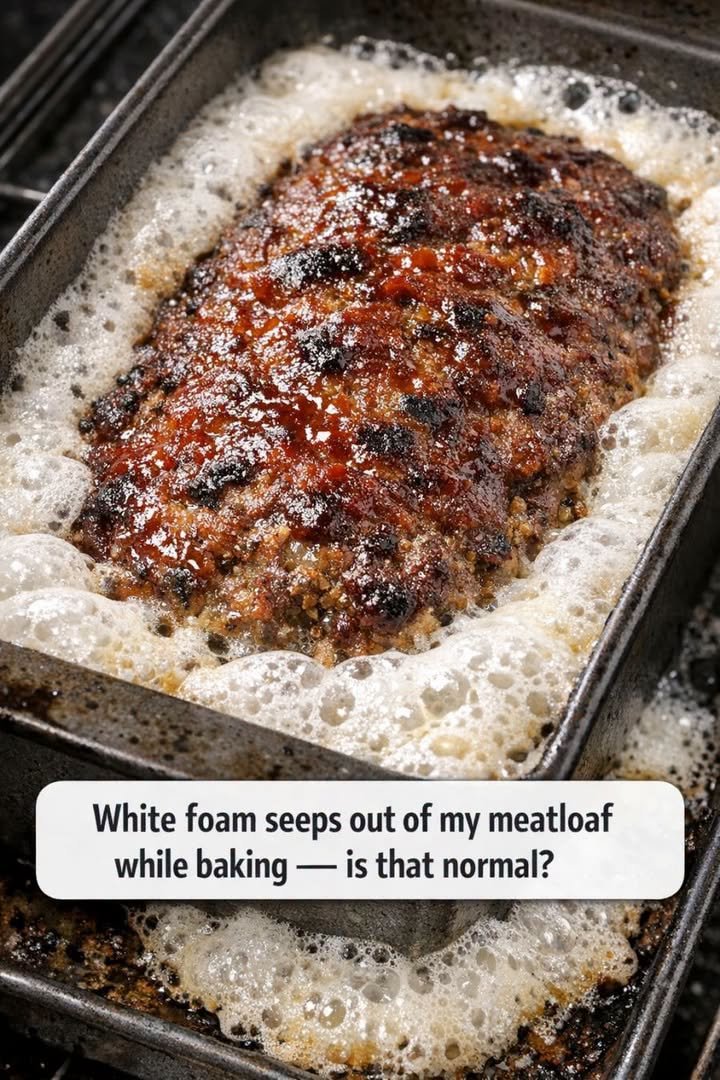
Baking a meatloaf can be a comforting and rewarding experience, filling your kitchen with tantalizing aromas. Yet, during the baking process, you might notice something unsettling: a white, foamy substance seeping out of your meatloaf. This phenomenon can be puzzling, especially if you’re aiming for a perfectly cooked, visually appealing dish.
Before you panic and toss your creation, it’s important to understand that this occurrence is fairly common and often harmless. The white foam is a natural byproduct of the cooking process, and in this article, we will delve into what it is, why it happens, and how you can manage or prevent it for a more aesthetically pleasing result.
1. What Is the White Foam on Meatloaf, Exactly?
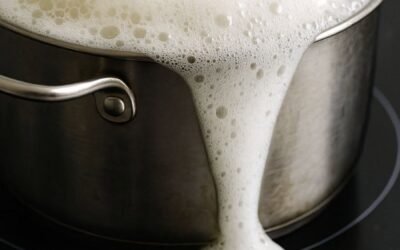
The white foam that appears on your meatloaf during baking is primarily composed of proteins and fats. When meat is subjected to heat, the proteins begin to denature and coagulate, which can cause them to leach out and form a foamy layer on the surface. This is especially common in ground meats like those used in meatloaf, where the proteins are more exposed.
Additionally, the fat content in the meat can contribute to this foaming. As the meat cooks, the fat melts and mixes with the moisture in the meat, creating a frothy mixture that rises to the surface. This is why you might notice more foam when using fattier cuts of meat or blends with higher fat percentages.
2. The Science: How Protein and Fat Create That White Residue
The science behind the white foam lies in the behavior of proteins and fats under heat. Proteins, when heated, undergo a process called denaturation, where they unravel and form new bonds. This can cause them to coagulate and separate from the meat matrix, particularly if the meat is ground and the proteins are less tightly bound.
Fats, on the other hand, melt and release during cooking. As these melted fats mix with water and proteins, they can form a stable emulsion that appears as foam. This is similar to how a sauce or broth might form a scum on the surface when simmered, as proteins and fats rise with the heat.
3. Is the White Foam Safe to Eat, or a Sign of Spoilage?
The white foam is generally safe to eat and is not a sign of spoilage. It is simply a natural result of the cooking process, particularly when dealing with ground meats. The foam consists of proteins and fats, both of which are edible and normal components of meat.
However, if the foam has an unusual odor, color, or if your meatloaf was prepared with meat that was not fresh, it might be worth considering spoilage. In such cases, it’s important to trust your senses and ensure that the meat was stored and handled properly before cooking.
4. How Meat Type and Fat Content Affect White Foam Formation
The type of meat and its fat content play significant roles in the formation of white foam. Leaner meats, such as ground turkey or chicken, tend to produce less foam because they contain less fat. Conversely, meats with higher fat content, like ground beef or pork, are more likely to produce a noticeable amount of foam.
The ratio of fat to protein in your meat blend is also crucial. A higher fat-to-protein ratio can lead to more foam, as there is more fat to melt and emulsify with the proteins. Choosing a meat blend with around 80-85% lean meat can help strike a balance between flavor and foam production.
5. The Role of Binders, Eggs, and Milk in Creating (or Reducing) Foam
see continuation on next page
For Complete Cooking STEPS Please Head On Over To Next Page Or Open button (>)